Top Personalized Skincare Products to Boost Your Global Sales?
In recent years, personalized skincare has emerged as a game-changer in the beauty industry. Consumers are increasingly seeking products tailored to their specific skin needs. This trend presents vast opportunities for brands aiming to boost global sales. However, developing effective personalized skincare solutions requires deep understanding and innovation.
Many brands have started leveraging advanced technologies to create customized formulations. These innovative products target individual concerns like acne, aging, and hydration. Yet, not every approach succeeds. Some companies may overlook essential consumer feedback during the development process. This oversight can lead to ineffective products that fail to resonate with buyers.
Achieving success in the personalized skincare market involves more than just creating unique products. It demands expertise in dermatology, formulation science, and consumer behavior. Brands must also establish credibility through transparent marketing and reliable formulations. This balance is crucial for establishing trust and, ultimately, driving sales growth.
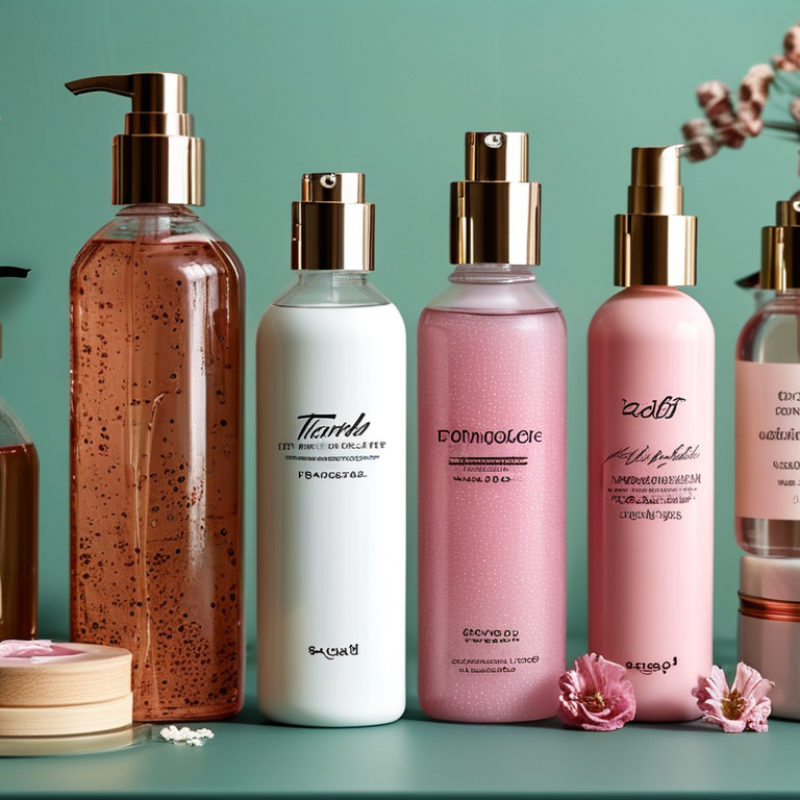
Understanding Personalized Skincare: Why It Matters in Today's Market
Personalized skincare has transformed the beauty landscape. It leverages data to meet individual needs effectively. Skincare routines are now tailored based on skin type, concerns, and even climate. This customization helps consumers feel more connected to products. Yet, many brands struggle to implement these strategies effectively.
Flexibility is key. Companies must continuously adjust formulations based on feedback. Not every product will resonate, and that’s okay. Understanding skin types is complex. What works for one may not work for another. Thus, brands need to keep testing and refining their approaches. They should encourage open dialogue with consumers.
Moreover, transparency builds trust. Sharing ingredient sourcing and efficacy can enhance credibility. Customers are increasingly savvy and demand authenticity. Providing education around products is essential. Brands that listen and adapt will likely thrive in this competitive market. It requires ongoing effort and commitment.
Key Ingredients that Drive Personalized Skincare Product Success
In the realm of personalized skincare, understanding key ingredients is paramount. Tailored formulations can meet unique skin needs. This approach often incorporates essential nutrients like vitamins, peptides, and antioxidants. Each ingredient serves a specific purpose, targeting issues such as dryness, aging, or blemishes.
For instance, hyaluronic acid is renowned for its hydrating properties. It attracts moisture and keeps skin plump. Meanwhile, niacinamide is a popular choice for reducing inflammation. Users frequently report improvements in skin texture and tone. However, the effectiveness of these ingredients also relies on the individual's skin type and concerns.
Creating customized skincare products requires people to be mindful of ingredient interactions. Sometimes, even well-researched ingredients can cause reactions. This emphasizes the need for personalized consultations. Brands that prioritize these interactions are more likely to gain consumer trust. Engaging with users to understand their feedback can lead to better formulations. In this competitive market, staying adaptable is crucial for success.
Top Strategies for Marketing Personalized Skincare Globally
Personalized skincare has emerged as a significant growth sector in the beauty industry. A report by Grand View Research indicates that the global personalized skincare market is expected to grow at a CAGR of 9.2% from 2022 to 2030. To capitalize on this trend, brands must employ effective marketing strategies tailored to various audiences.
Creating strong customer profiles is crucial. Use data analytics to gather insights into customer preferences. This information helps tailor products to meet specific needs. For example, personalized quizzes can increase engagement by up to 70%, as consumers feel more connected to products designed just for them. Visual content showcasing before-and-after results can significantly enhance credibility.
Tip: Leverage social media influencers who resonate with your target demographic. Authentic endorsements can build trust and drive sales. Consistency in messaging across platforms increases brand recognition. Brands should also consider localized campaigns to appeal to diverse cultures and markets, recognizing that personalized skincare is not one-size-fits-all. Understanding regional preferences can lead to deeper connections with consumers.
Acknowledging limitations is essential. Not all customers may understand the benefits of personalized skincare. Clear communication is necessary to educate potential buyers. Some may be skeptical about personal data usage. Transparency in data handling fosters trust and reassures customers about their privacy. Brands can succeed by adapting strategies based on ongoing feedback and market trends.
Case Studies: Successful Brands in the Personalized Skincare Space
In the personalized skincare market, brands have seen remarkable growth. According to recent reports, the global personalized skincare market is projected to reach $3.5 billion by 2026. This staggering figure underscores a trend where tailored solutions resonate deeply with consumers. Brands that engage customers through personalized experiences can greatly enhance loyalty and satisfaction.
Successful case studies highlight how data-driven assessments create effective products. Brands leveraging AI and customer feedback provide solutions that truly meet skin needs. A well-known report indicates that 70% of consumers appreciate products customized to their unique skin types. This responsiveness fosters trust and strengthens brand connections.
Tip: Invest in data analytics. Understanding consumer preferences can refine your product offerings.
Some companies struggle to balance technology and human touch. While advanced algorithms streamline processes, they can miss nuances that human consultants capture. Consumers often seek a combination of both for a holistic experience.
Tip: Conduct customer surveys regularly. This helps identify gaps in service delivery.
These insights reveal that personalized skincare isn’t just about products. It’s about building relationships and understanding the consumer journey more deeply.
Top Personalized Skincare Products Sales Growth
Future Trends in Personalized Skincare and Global Sales Opportunities
The personalized skincare industry is approaching a transformative phase. Research estimates that the global personalized skincare market will reach $2.5 billion by 2025. This growth is driven by a surge in consumer demand for tailored products. Consumers seek solutions tailored to their unique skin types and concerns. Brands must adapt to this trend to increase global sales.
Data from recent reports show that 79% of consumers prefer personalized skincare products. This preference highlights a significant opportunity for businesses. Companies must invest in technology to analyze skin types effectively. Creating customized formulas can enhance customer satisfaction and retention. However, implementing these technologies can be costly and time-consuming. Brands must find a balance between innovation and profitability.
**Tip:** Collaborate with dermatologists and skincare experts. Their insights can refine product development. Educating consumers on the importance of personalized care elevates brand credibility.
From predictive algorithms to AI-enhanced consultations, the potential for growth is immense. Nevertheless, many brands struggle with supply chain management. A streamlined process is crucial for meeting personalized demands. Reflect on current capabilities and identify areas for improvement. Adapting to changes can lead to better market positioning and enhanced consumer trust.
Top Personalized Skincare Products to Boost Your Global Sales
| Product Type |
Key Ingredients |
Target Skin Concerns |
Market Demand (2023) |
Sales Growth Projection (2024) |
| Custom Moisturizers |
Hyaluronic Acid, Ceramides |
Dryness, Aging |
High |
15% |
| Personalized Serums |
Vitamin C, Niacinamide |
Hyperpigmentation, Dullness |
Medium |
20% |
| Tailored Exfoliants |
AHAs, BHAs |
Acne, Texture |
Growing |
18% |
| Customized Sunscreens |
Zinc Oxide, Botanical Extracts |
Sun Damage, Sensitivity |
High |
25% |
| Personalized Face Masks |
Charcoal, Collagen |
Hydration, Brightening |
Moderate |
12% |