2026 Best L Glutamine Suppliers for Global Buyers?
For global buyers, choosing the right L-Glutamine supplier in 2026 requires more than comparing prices. Product quality, documentation, production capacity, and shipment reliability can directly affect manufacturing schedules. A dependable supplier should provide clear specifications, recent certificates of analysis, batch traceability, and evidence of consistent quality control. Small details matter. A sealed bag, readable lot number, and stable delivery history can prevent costly interruptions.
This guide examines suppliers through a practical procurement lens. It considers pharmaceutical, food, sports nutrition, and supplement-grade requirements without assuming that one supplier fits every market. Buyers should review purity, microbiological limits, heavy metal testing, allergen statements, packaging options, minimum order quantities, and lead times. GMP, ISO, HACCP, or other certifications may support confidence, but certificates should be verified with the issuing organization. Paperwork alone is not proof of performance.
Experience also shows that communication quality deserves attention. Can the supplier answer technical questions clearly? Can it explain storage conditions and shipment controls? Can it provide samples before a large purchase? These questions often reveal more than a polished website. Some rankings may remain imperfect because supplier information changes, regional standards differ, and public data can be incomplete. Therefore, this overview should support due diligence, not replace it. The strongest choice is usually the supplier that combines verified quality, transparent communication, realistic pricing, and reliable global fulfillment.
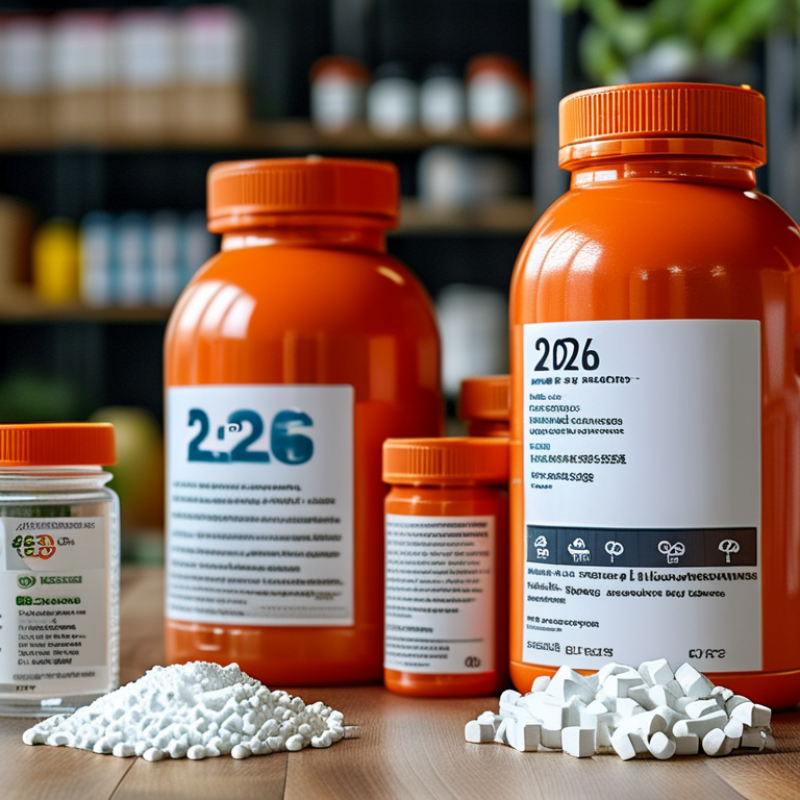
L-Glutamine Basics: Forms, Uses, and the Global 2026 Supply Landscape
L-glutamine is a conditionally essential amino acid used in nutrition, sports formulas, and clinical feeding. The body usually produces it, but demand may rise during physical stress, illness, or recovery. Commercial products appear mainly as free-form powder, capsules, tablets, and sterile pharmaceutical-grade materials. Powder offers easier bulk handling, while capsules improve convenience but add packaging and excipient costs.
Quality begins with identity, not appearance. Buyers should request a current certificate of analysis, assay results, microbiological limits, heavy-metal testing, and allergen statements. Fermentation-derived material is common in global supply chains. Storage also matters. A sealed bag in a cool, dry warehouse protects against moisture and caking. Small details matter.
Industry reports show a growing market. Grand View Research valued the global amino acids market at more than USD 25 billion in 2023 and forecast continued expansion through 2030. L-glutamine benefits from this wider nutrition trend, although public data for this single ingredient remains fragmented. IMARC’s market analysis also identifies Asia-Pacific as a major production and consumption region. However, regional strength does not guarantee consistent quality. Export documentation, batch testing, and lead times can change quickly. Buyers should compare at least three qualified suppliers and inspect recent production records, not only a low quotation. I may be overly cautious, but a cheap specification is not a reliable supply strategy.
How 99%+ HPLC Purity Defines L-Glutamine Supplier Quality
2026 Best L-Glutamine Suppliers for Global Buyers?
For global buyers, 99%+ HPLC purity is a useful quality signal, not a complete guarantee. Grand View Research’s 2024 amino acids market report valued the global market at about USD 27.4 billion in 2023. This growth increases supply options, but it also makes document review more important. HPLC testing should separate L-glutamine from related compounds, degradation products, and process residues. That distinction matters. A reported 99.2% result may reflect chromatographic purity, while assay results can follow a different calculation. Buyers should never treat both numbers as identical.
Reliable suppliers provide batch-specific certificates, chromatograms, test methods, and clear acceptance limits. The chromatogram should show retention time, peak integration, and system suitability results. ICH Q2(R2) identifies specificity, accuracy, precision, and robustness as key validation characteristics. USP General Chapter <621> also supports controlled chromatographic practice. Ask for recent results on moisture, heavy metals, microbial limits, and residual solvents. Packaging records matter too, especially when powder arrives after long ocean transit. Small omissions matter.
A practical audit should compare three consecutive batches, not one attractive certificate. Check whether the laboratory is independent and properly accredited. ISO/IEC 17025 accreditation strengthens confidence, but it does not replace technical judgment. One weakness remains: 99%+ purity can hide poor traceability or unstable storage. I would also question unusually perfect results. Real production data may show small variation. That is not automatically a failure; unexplained variation is the greater concern.
2026 Best L-Glutamine Suppliers for Global Buyers
How 99%+ HPLC Purity Defines L-Glutamine Supplier Quality
HPLC purity is a core quality indicator for global L-glutamine procurement. A specification of 99.0% or higher is commonly used as a baseline for commercial-grade material, while 99.5% and 99.9% represent progressively tighter purity targets. Buyers should verify the test method, certificate of analysis, batch results, moisture, residue on ignition, heavy metals, microbiological quality, and regulatory compliance before approving a supplier.
Which GMP, ISO 22000, and HACCP Certifications Should Buyers Verify?
For global buyers, a certificate is only useful when its scope matches the L-glutamine facility and product. ISO’s ISO Survey 2023 recorded more than 57,000 ISO 22000 certificates worldwide, showing broad adoption but not automatic quality. Verify the certificate number, issuing body, accreditation status, manufacturing address, and expiry date. The scope should mention food, feed, pharmaceutical, or dietary supplement production clearly. A certificate covering storage alone is not enough.
GMP requires deeper checking. Ask for the applicable GMP standard, batch records, deviation reports, laboratory controls, and recent audit findings. GMP is not one universal certificate. Requirements differ across jurisdictions. For HACCP, request the hazard analysis, critical control points, monitoring limits, corrective actions, and verification records. The FAO and WHO General Principles of Food Hygiene, CXC 1-1969, identify HACCP as a preventive food-safety system, not a decorative approval mark. Trace one lot from incoming raw material to sealed packaging. It should feel almost boring.
I would also compare certificate details with independent testing. Confirm identity, assay, microbiological limits, heavy metals, and allergen controls through recent reports. ISO 22000 does not prove every batch meets specification. That distinction is easy to miss. Some suppliers present clean certificates but provide weak answers about subcontracted testing or changed production sites. Treat that gap as a serious signal, even when the paperwork appears polished. A second-party audit can expose practical weaknesses that certificates may not show.
How Global Buyers Can Rank Suppliers by COA, Traceability, and Compliance
For global buyers, the best L glutamine supplier is not always the cheapest. A reliable ranking starts with verifiable evidence. A polished website proves little.
Review each lot-specific Certificate of Analysis before discussing price. Check assay, moisture, identity, microbiological results, and heavy metal limits. The laboratory method matters. Confirm the testing date, lot number, specification, and authorized signature. A missing detail can weaken confidence quickly. Buyers should also ask whether an independent laboratory performed the testing. Results without clear methods are difficult to compare.
Traceability should work backwards and forwards. Request records linking raw materials, production dates, processing equipment, packaging, and shipment details. Strong systems can identify affected lots within hours. Ask about retention samples and complaint investigations. It sounds technical. That is the point. A broken record trail can delay corrective action. No ranking system is perfect, and buyers may overlook small documentation gaps.
Compliance requires more than a certificate on file. Verify the manufacturing site, quality system, audit history, and applicable import requirements. Review current GMP evidence and confirm that documents cover the actual production location. A certificate without scope, date, or issuing authority deserves careful questioning. Use a weighted scorecard for COA quality, traceability depth, and compliance evidence. Then record unanswered questions, not only positive findings. That record may reveal supplier risk more clearly than a sales presentation.