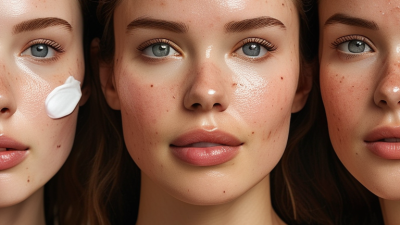
2026 Best Wellness Treatments for Global Buyers to Explore
In the ever-evolving world of wellness treatments, 2026 promises innovative experiences for global buyers. Renowned wellness expert, Dr. Ava Collins, highlights, "True wellness goes beyond mere techniques; it's a holistic approach to mind, body, and spirit." This encapsulates the essence of what many seek today. Wellness treatments are not just trends; they represent a shift in how we care for ourselves.
This year, buyers will encounter a blend of traditional therapies and modern innovations. For example, immersive sound therapy sessions and personalized nutritional programs will gain traction. However, not all treatments will meet expectations or provide lasting benefits. Some might question the effectiveness of new modalities. The industry must regularly challenge its practices and seek genuine results that resonate with clients.
As we explore the best wellness treatments of 2026, it's essential to remain grounded. Each approach may not suit everyone. Personalization is key. Reflecting on one's needs and responses to treatments is crucial. The journey towards wellness is deeply personal, and the most effective treatments may sometimes be those yet to be discovered.
Emerging Wellness Trends to Watch for in 2026
As we approach 2026, several emerging wellness trends are set to take center stage. One notable trend is the rise of personalized wellness plans. Tailored experiences, based on individual health data, will empower people to adopt practices that suit their unique needs. This bespoke approach promises to enhance engagement with wellness routines, making them more effective.
Another significant trend is the incorporation of technology in wellness practices. Wearable devices will play a crucial role in monitoring health metrics. This integration can help individuals make informed choices about exercise, nutrition, and mental well-being. However, reliance on technology raises questions about privacy and data security, which need careful consideration.
Mindfulness will become increasingly relevant in the fast-paced world of 2026. As people seek to balance their hectic lives, mindfulness practices, such as meditation and yoga, will gain popularity. These practices provide a refuge from stress, offering significant benefits. Still, the challenge lies in maintaining consistency. Achieving a state of mindfulness requires commitment and discipline, aspects that may be hard to sustain amid distractions.
Top Global Destinations for Wellness Treatments
Traveling for wellness treatments is an awakening experience. Across the globe, unique destinations offer diverse approaches to health and relaxation. From tranquil retreats in the mountains to idyllic beach resorts, each place has its own charm.
In Asia, traditional practices reign supreme. Expect soothing aromatherapy and ancient massage techniques designed to rejuvenate the body. In Europe, you'll find luxurious spas attached to wellness hotels. Here, holistic therapies are often combined with organic meals for optimal healing.
When seeking wellness treatments, remember to check the credentials of practitioners. Researching local customs can also enhance your experience. Cultural nuances matter. Be open to trying new things, yet maintain awareness of your comfort zones. Don't rush; true wellness takes time. Prioritize what feels right for you, and honor your personal journey.
Innovative Wellness Therapies Gaining Popularity Worldwide
Wellness therapies have evolved significantly in recent years. Many innovative treatments are now attracting attention worldwide. From mindfulness practices to advanced physical therapies, global buyers are eager to explore these options.
One emerging trend is sound therapy. It uses vibrations and frequencies to promote relaxation and mental clarity. Many people find this method helps reduce stress. The use of singing bowls or tuning forks creates calming environments. However, it may not resonate with everyone. It requires some personal exploration to determine its effectiveness.
Another popular approach is nature immersion therapy. Spending time in natural settings can boost mental health. Researchers suggest that green spaces improve mood and cognitive function. However, gaining access to such spaces can be difficult for city dwellers. It requires planning and effort to escape urban life.
Consider integrating small wellness practices into your daily routine. Simple actions, like deep breathing and stretching, can enhance overall well-being. Small steps can lead to significant improvements over time. Reflect on what works best for you and adjust your approach as needed.
Sustainable Practices in the Wellness Industry
The wellness industry is undergoing a significant transformation, prioritizing sustainability. Many practitioners now emphasize eco-friendly practices in their treatments. Natural ingredients sourced from sustainable farms are becoming the norm. This shift not only benefits the environment but also enhances the quality of wellness products.
More wellness centers are adopting zero-waste policies. This means minimizing plastic use and encouraging reusable materials. Practitioners are exploring biodegradable options for packaging. These steps are crucial in reducing the industry’s carbon footprint. Some establishments are even implementing energy-efficient systems to power their facilities.
However, this transition is not without challenges. There is often a gap between intention and implementation. Some wellness centers struggle to find reliable suppliers committed to sustainable practices. Others face higher costs, which can deter them from making these much-needed changes. Addressing these obstacles is essential for the wellness sector to truly flourish in a sustainable way.
Consumer Preferences: What Buyers Look for in Wellness Experiences
In the evolving landscape of wellness, consumer preferences highlight a shift towards holistic experiences that nurture both the body and mind. Buyers today seek not just treatments but transformative journeys. They want personalized solutions that meet their unique health needs. Experiences should be immersive, allowing individuals to deeply engage with their wellness goals.
Customers are increasingly drawn to authenticity in their wellness choices. They prefer treatments rooted in cultural traditions and natural ingredients. Programs that incorporate mindfulness and stress reduction techniques are particularly appealing. A spacious and serene environment enhances these experiences, inviting guests to unwind and rejuvenate. However, providers must remain vigilant, as not all offerings live up to the promise of sustainability or effectiveness.
Moreover, transparency is paramount. Buyers expect clear information about treatment ingredients and methodologies. They often feel overwhelmed by options, desiring clarity and expertise from providers. While the wellness market grows, challenge lies in distinguishing genuine therapies from trends. Reflection on these preferences is crucial for crafting experiences that resonate with global buyers. Striving for excellence is a journey, and there's always room for growth and improvement.