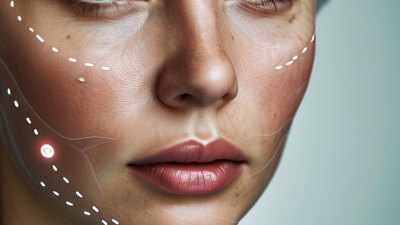
Choosing the best skin tightening machine requires more than comparing prices, photos, or impressive promises. The right choice depends on treatment goals, skin condition, technology, operator training, and documented safety information. A machine that works well for a loose jawline may not suit delicate neck skin. That distinction matters.
Begin with the technology. Radiofrequency, ultrasound, microcurrent, and light-based systems create different sensations and results. Ask how energy is delivered, how treatment depth is controlled, and whether clinical evidence supports the manufacturer’s claims. Review the device’s regulatory status in your country, because approvals and professional requirements can vary. Do not rely only on online reviews. A qualified practitioner should examine your skin, explain possible discomfort, and discuss realistic improvement timelines.
Safety deserves equal attention. Check for adjustable settings, temperature monitoring, emergency procedures, and clear aftercare instructions. Ask who will operate the machine and how much hands-on experience they have with similar skin types. A consultation should feel specific, not rushed. It may include questions about medications, previous procedures, sensitivities, and healing history. Some results appear gradually, while others may be subtle or temporary. That can feel disappointing, but honest expectations are part of reliable care.
The “best” machine is rarely the newest one. It is the device that matches your needs, risk tolerance, budget, and professional support. Compare evidence carefully. Listen to your skin. Even experts must reassess when results differ from expectations.
A skin tightening machine is a non-surgical device designed to improve the appearance of loose or lax skin. It usually delivers controlled energy into selected skin layers. Common technologies include radiofrequency, focused ultrasound, and microcurrent. Each method reaches tissue differently, so the treatment experience and expected results can vary.
Radiofrequency gently heats the dermis, where collagen fibers are located. This heat may cause mild fiber contraction and encourage gradual collagen remodeling. Focused ultrasound directs energy deeper, while microcurrent uses low electrical stimulation near the skin’s surface. A trained professional should adjust intensity, treatment time, and contact pressure carefully. Excessive heat is not better. It can cause discomfort or irritation.
Choosing the best skin tightening machine starts with understanding the technology, not the advertisement. Radiofrequency uses controlled heat to warm deeper skin layers and encourage collagen remodeling. It usually feels like a hot massage, although sensitive areas may sting. Results vary.
Ultrasound-based systems deliver energy beneath the surface with greater depth control. Focused ultrasound may suit mild laxity along the jawline, while conventional ultrasound can provide gentler heating. Treatment comfort depends on energy settings, skin thickness, and the operator’s technique. A qualified professional should review your medical history, skin condition, and treatment goals before recommending either option.
Microneedling radiofrequency combines tiny needles with heat. It may address looseness, uneven texture, and some acne scars, but it creates temporary redness and requires careful aftercare. Capacitive or multipolar radiofrequency devices generally feel milder, though their effects may be more gradual. Light-based technologies can improve skin tone and stimulate collagen, but they are not identical to true tightening treatments. That distinction matters.
A reliable consultation should explain the device’s regulatory status in your region, expected sessions, downtime, and possible side effects. Ask for realistic before-and-after records from comparable skin types. Darker skin may need conservative settings to reduce pigment changes. I would not choose a machine based only on maximum power. More energy is not automatically better. Proper training, maintenance records, and honest limitations often matter more than impressive specifications.
Choosing the best skin tightening machine depends on your skin condition and treatment goals. Begin with the skin, not the device. Thin or sensitive skin may need lower energy and gradual sessions. Oilier or thicker skin can sometimes tolerate deeper treatment. Still, a visual assessment is not enough. Ask about sensitivity, scarring, medications, and previous procedures before selecting a machine.
Your goal should guide the technology. For mild laxity, controlled radiofrequency may support gradual collagen remodeling. Ultrasound-based systems can target deeper tissue layers, but they require careful depth selection. If texture and fine lines matter more, a surface-focused treatment may be more suitable. Some people want dramatic results too quickly. That expectation needs honest correction. Non-surgical tightening usually develops over several weeks, not overnight.
A qualified practitioner should check the machine’s energy settings, safety features, and published clinical evidence. They should also explain possible redness, swelling, discomfort, and less common complications. A patch test or conservative first session can reveal how your skin reacts. Keep treatment records, including energy levels and recovery time. Results may vary, even with excellent technique. I have seen plans change after the skin responded differently than expected. That is not failure; it is useful information for safer adjustment.
Match the technology to the treatment goal, desired depth, skin type, and acceptable recovery time.
The chart shows commonly reported visible recovery windows for major skin-tightening technologies. Non-invasive radiofrequency and focused ultrasound usually involve little or no downtime, while microneedling radiofrequency and fractional laser treatments may require several days of recovery.
Actual recovery varies with treatment settings, skin sensitivity, treatment area, aftercare, and individual healing. A qualified professional should select the device and parameters after assessing the skin.
How to Choose the Best Skin Tightening Machine?
Safety should guide every decision, not attractive claims or dramatic before-and-after photographs. Check whether the device has appropriate regulatory clearance for its intended use. Ask who will operate it and what training they completed. A qualified professional should review skin type, medical history, medications, and realistic treatment goals. Some conditions may increase the risk of burns, pigmentation changes, swelling, or prolonged discomfort.
Look closely at the machine’s quality. Reliable equipment should offer controlled energy delivery, visible settings, emergency shutoff features, and stable temperature monitoring. Cooling systems matter, especially during treatments using heat or radiofrequency energy. Request maintenance records and calibration dates. Small details can prevent serious problems. Do not ignore them.
Clinical evidence deserves careful reading. Look for peer-reviewed studies with clear patient numbers, follow-up periods, and reported side effects. Results from one skin type may not apply to everyone. Ask whether the evidence supports your treatment area and desired outcome. A responsible provider explains benefits, limitations, costs, and possible alternatives before treatment. Consent should feel unhurried.
No device suits every patient. That is easy to forget. Even well-designed treatments can produce uneven results, and improvement may be modest. Take time to compare documented evidence rather than relying on confidence alone. If answers remain vague, pause and seek an independent clinical opinion.
| Evaluation Dimension | What to Check | Objective Data or Reference Point | Why It Matters |
|---|---|---|---|
| Technology Type | Identify whether the system uses radiofrequency, focused ultrasound, infrared or another energy modality. Confirm the intended tissue depth and treatment mechanism. | The user manual should state the energy type, operating frequency or wavelength where applicable, treatment depth, pulse duration and output range. | Different technologies deliver energy to different tissue layers and have different heating, pain and adverse-event profiles. |
| Regulatory Status | Check the legal market authorization for the intended country and confirm that the indication covers skin tightening or the proposed use. | Look for a verifiable device registration, clearance or approval number and compare it with the official regulator database. Regulatory requirements differ by country. | Authorization supports compliance, but it does not automatically prove that every marketing claim or result is clinically effective. |
| Electrical Safety | Review electrical protection, grounding, leakage-current control, overheating protection and emergency shut-off functions. | Relevant medical electrical equipment commonly references IEC 60601-1 and applicable collateral or particular standards. | Appropriate electrical safeguards reduce the risk of shock, burns, equipment malfunction and electromagnetic interference. |
| Risk Management | Ask whether hazards, foreseeable misuse, contraindications and residual risks were formally assessed throughout the product life cycle. | ISO 14971 is the widely recognized framework for medical-device risk management. | A documented risk-management process helps identify and control thermal injury, pain, pigment changes, scarring and other foreseeable risks. |
| Temperature Control | Confirm real-time temperature monitoring, automatic energy reduction, treatment interruption and contact or motion detection. | The system should display treatment parameters and define operating limits in the technical documentation. Do not rely only on subjective heat sensation. | Controlled heating improves consistency and helps reduce the risk of excessive thermal exposure. |
| Cooling and Contact Safety | Check for integrated cooling, stable applicator contact, skin-contact sensors and alarms for poor coupling or excessive pressure. | The manual should specify cooling conditions, coupling medium requirements, sensor behavior and alarm responses. | Cooling and reliable contact can help protect the epidermis and improve energy delivery uniformity. |
| Clinical Evidence | Evaluate peer-reviewed human studies using the same device, applicator, settings and treatment protocol. | Prefer prospective studies with a defined sample size, inclusion criteria, standardized photographs, objective measurements and follow-up of at least 3 to 6 months. | Immediate tightening may reflect temporary swelling or contraction; longer follow-up is needed to assess durability. |
| Effectiveness Endpoints | Check how improvement was measured rather than relying only on before-and-after photographs. | Useful endpoints may include validated patient-reported scales, blinded photographic assessment, skin elasticity measurements and standardized laxity grading. | Objective and blinded assessments reduce the influence of lighting, camera angle, evaluator expectation and placebo effects. |
| Treatment Consistency | Review energy calibration, applicator output uniformity, pulse control and software records for each treatment session. | Calibration certificates, maintenance logs and stored treatment parameters should be available for inspection. | Consistent energy delivery supports repeatable outcomes and helps clinicians investigate unexpected reactions. |
| Contraindications | Review restrictions for pregnancy, implanted electronic devices, metal in the treatment area, active infection, open wounds, severe inflammation and impaired sensation. | The official instructions for use must provide modality-specific contraindications, warnings and precautions. | Patient selection is essential because energy-based treatments are not appropriate for every person or body area. |
| Adverse-Event Profile | Ask for the frequency, severity, duration and management of pain, erythema, edema, burns, pigment changes, numbness and contour irregularities. | Clinical reports should distinguish expected temporary reactions from serious or persistent complications and state the observation period. | A transparent safety profile allows informed consent and realistic treatment planning. |
| Materials and Biocompatibility | Check materials that contact skin, disposable components, cleaning compatibility and the risk of irritation or sensitization. | Biological evaluation is commonly addressed under the ISO 10993 series when applicable to patient-contacting materials. | Suitable materials and cleaning procedures help reduce infection, dermatitis and cross-contamination risks. |
| Usability and Training | Evaluate the interface, parameter limits, error messages, treatment mapping, operator training and competency assessment. | The system should provide clear instructions, warnings, maintenance requirements and a documented training pathway. | A well-designed interface reduces operator error and improves protocol adherence. |
| Maintenance and Service | Confirm preventive-maintenance intervals, calibration requirements, service response time, spare-part availability and repair documentation. | Use a written maintenance schedule and retain calibration and repair records for every device. | Regular service helps preserve output accuracy, safety functions and equipment reliability. |
| Hygiene and Workflow | Check whether applicators are reusable or disposable and verify validated cleaning and disinfection procedures between patients. | The cleaning protocol should specify compatible agents, contact time, drying method and limitations for each component. | A practical workflow supports infection prevention without damaging sensors or applicator surfaces. |
| Total Cost of Ownership | Include purchase price, consumables, service contracts, calibration, training, downtime and expected replacement parts. | Compare the estimated cost per treatment over a defined period, such as 3 to 5 years, rather than comparing purchase price alone. | The lowest initial price may not provide the lowest operating cost or the best reliability. |
| Claims and Transparency | Compare promotional claims with the official intended use, published evidence, treatment schedule and documented limitations. | Be cautious of guaranteed results, permanent claims, unsupported “zero-risk” language or studies that do not identify treatment parameters. | Accurate claims support ethical communication and help set realistic expectations for patients. |
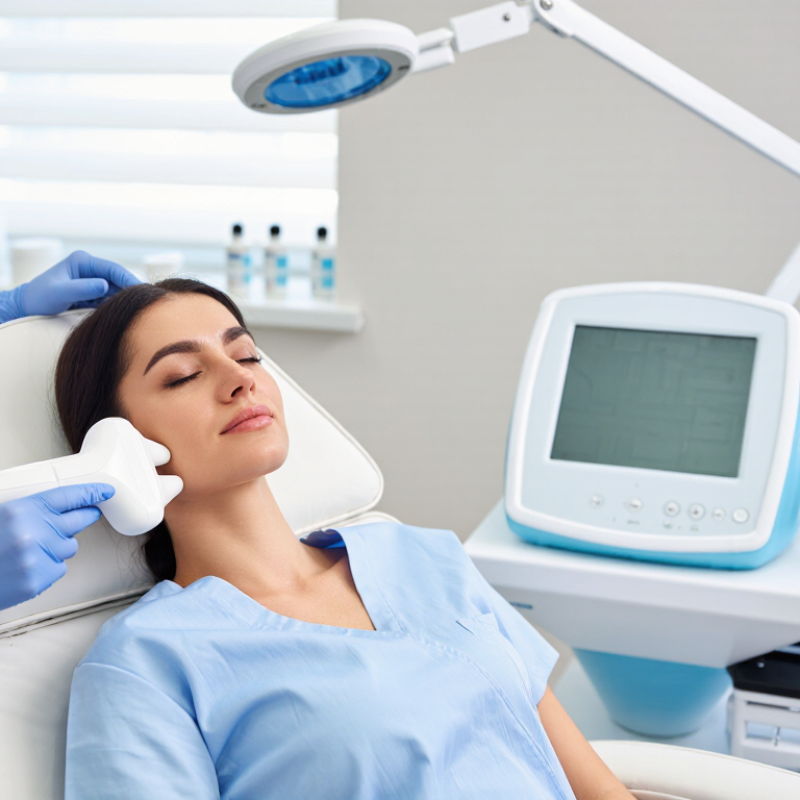
Choosing a skin tightening machine starts with total ownership cost, not the purchase price. In clinical evaluations, I compare energy type, treatment area, consumables, training, and service coverage. A lower-priced device may require frequent cartridge replacement or costly repairs. Ask for a written maintenance schedule. Request realistic annual costs, not optimistic estimates. Also check whether qualified operators and local compliance requirements are supported.
Expected results depend on skin laxity, age, treatment settings, and patient response. Photos should use the same lighting, distance, and facial position. Ask how many sessions are typical, when changes appear, and how long results may last. Results are gradual. They are not guaranteed. A responsible provider should explain discomfort, downtime, contraindications, and possible uneven outcomes. One mistake is judging effectiveness from dramatic marketing images alone. Real patients may improve more subtly.
Build a simple comparison sheet. List purchase price, staff training, consumables, servicing, consultation time, and follow-up visits. Calculate cost per treatment over twelve months. Leave room for unexpected repairs. They happen. Check warranty terms carefully, including response times and replacement equipment. A hands-on demonstration can reveal awkward controls, long setup times, or poor ergonomics. These details often affect daily efficiency more than brochures suggest.