Why Choose Testsealabs Antigen Test Kits?
Choosing Testsealabs Antigen test kits begins with a practical question: what decision must the result support? Rapid antigen testing can provide visible answers within minutes, especially when symptoms, exposure, and timing are considered together. The World Health Organization states that antigen tests perform best when viral loads are higher, often during the early symptomatic period. However, performance varies by product, specimen quality, and testing conditions. No kit is magic.
Independent evidence supports careful interpretation. A Cochrane review found that rapid antigen tests were more sensitive in symptomatic people and during the first week of symptoms. The U.S. Food and Drug Administration also warns that one negative result cannot reliably exclude infection. Repeat testing may be needed. This is where Testsealabs Antigen can fit into a disciplined testing routine, provided users follow the authorized instructions and local guidance.
Dr. Michael Mina, a physician and public-health expert, has described rapid testing as “a snapshot in time.” That phrase deserves attention. A result reflects the sample collected, not every future health change. Testsealabs Antigen kits should therefore be evaluated through clear labeling, storage control, readable instructions, and responsible result interpretation. The details matter: a sealed pouch, a correctly collected swab, and a timer set for the stated reading window. Small mistakes can weaken confidence. Product claims should be checked against current regulatory documentation, clinical evidence, and user needs. That approach is less dramatic, but more reliable.
What Are Testsealabs Antigen Test Kits?
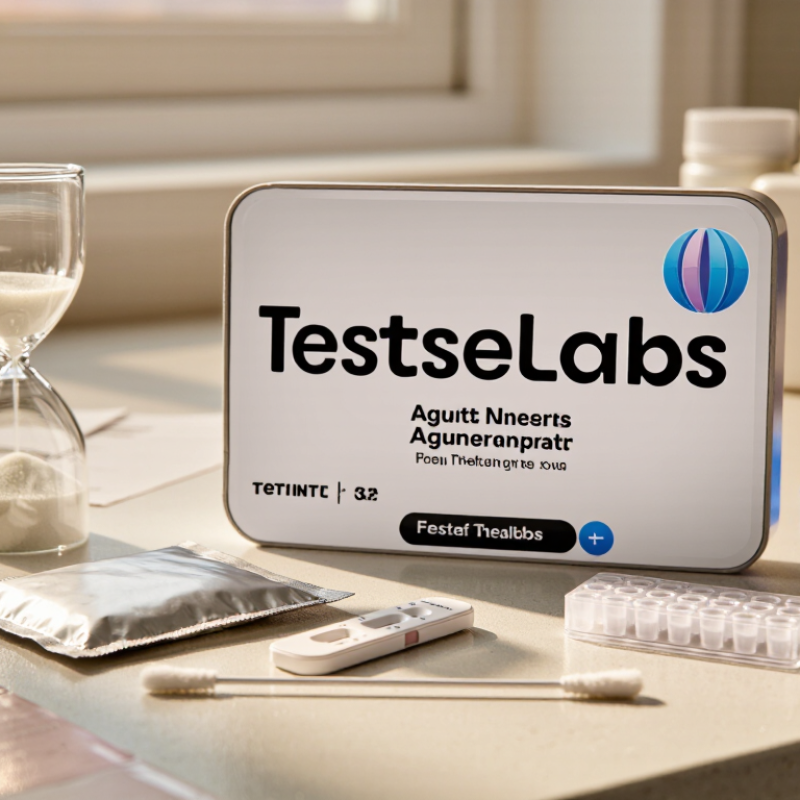
Antigen test kits are rapid tools designed to detect specific proteins from a virus in a sample. Most use a nasal swab and a small test cassette. The process usually takes about fifteen minutes. A visible line may indicate a detected antigen, while a control line confirms that the test worked properly. No control line means the result is invalid.
In practical settings, these kits can support quick screening at home, workplaces, schools, or clinics. Their value is speed and simplicity. Users can collect a sample, add drops to the device, and read the result within the stated time window. However, accuracy depends on timing, sample quality, storage, and careful handling. A test taken soon after exposure may miss an infection. That possibility deserves attention.
Read the instructions closely. Do not reuse swabs or test devices. Check the expiry date and keep the kit within its recommended temperature range. A positive result should be treated seriously and discussed with a qualified healthcare professional. A negative result is not absolute proof of no infection, especially when symptoms are present. In that situation, repeat testing or laboratory confirmation may be appropriate. The line can be faint. Interpretation may feel uncertain. That is one reason professional guidance still matters.
How Testsealabs Antigen Test Kits Detect Infections
Antigen test kits detect infections by identifying specific proteins from a pathogen, usually in a nasal or throat sample. The sample moves across a treated strip, where antibodies bind to target proteins. A visible test line can appear within minutes. This speed supports triage in clinics, workplaces, and homes when immediate decisions matter.
Cochrane’s 2022 review examined 155 studies and reported 69.3% sensitivity among symptomatic people, with 99.3% specificity. In people without symptoms, sensitivity fell to 55.5%, while specificity remained 98.9%. These figures explain both the value and limits of rapid detection. A positive result is often meaningful, but a negative result may miss an early or low-level infection. Timing matters.
Sample quality matters too. A swab pressed lightly against the nostril may collect less material than intended. Following the instructions carefully is not a minor detail. The World Health Organization notes that antigen tests generally perform best when viral loads are higher, often near symptom onset. Repeated testing can improve detection, according to public health guidance, although it cannot replace professional assessment for severe symptoms. The evidence is useful, but not perfect. That uncertainty deserves attention.
Key Features of Testsealabs Antigen Test Kits
Key features matter more than attractive packaging when choosing an antigen test kit. A clear, step-by-step instruction sheet can reduce handling errors at a kitchen table or clinic desk. Useful designs include a simple nasal swab, sealed components, a visible control line, and a defined reading window. Fast results help, but speed alone is not quality.
Independent evidence shows why performance details deserve attention. A Cochrane review of rapid SARS-CoV-2 antigen tests reported approximately 69% sensitivity and 99% specificity overall. Sensitivity increased during the first week of symptoms. The World Health Organization has generally emphasized minimum targets near 80% sensitivity and 97% specificity for suitable antigen tests. These figures are not guarantees. They depend on timing, sample collection, viral load, and storage conditions.
Reliable kits should include lot identification, expiry information, temperature guidance, and internal quality controls. A readable result window also matters when lighting is poor. I have seen users rush the swabbing step. That small mistake can change the result. No kit is flawless. A negative result may not rule out early infection, especially without symptoms. Repeating testing after an appropriate interval, or seeking professional confirmation when symptoms continue, is sensible. The best choice combines verified performance, practical design, and instructions people can realistically follow.
When to Use Testsealabs Antigen Test Kits
Antigen test kits are most useful when a rapid answer can guide a practical decision. Use one when respiratory symptoms begin, especially during the first week. They can also help after a known exposure or before visiting older relatives. A 2022 Cochrane review examined 155 studies and found average sensitivity of about 73% in symptomatic people during the first week. In people without symptoms, sensitivity was closer to 55%. A negative result is not proof that infection is absent.
Timing matters. Testing too early may detect little viral material. If symptoms continue, repeat testing after 24–48 hours and follow current public health guidance. Before travel, work, school, or a crowded indoor event, testing can add useful information. It should not replace ventilation, staying home while sick, or professional medical advice. For severe symptoms, high-risk patients, or treatment decisions, a laboratory molecular test may be more appropriate. The U.S. FDA also recommends repeat testing after an initial negative result when infection is suspected.
Tips: Check the expiry date and storage temperature. Wash and dry your hands. Follow the swab depth and timing exactly. Read the result only within the stated window. A faint line usually needs careful interpretation. When uncertain, take a photo and ask a healthcare professional. The weak point is unavoidable: rapid tests trade laboratory precision for speed, so users must treat results as evidence, not certainty.