A youthful appearance is rarely created by one expensive cream or dramatic treatment. It usually grows from small, repeatable choices that protect skin and support overall health. Dermatologists commonly emphasize daily broad-spectrum sunscreen, gentle cleansing, regular moisturising, adequate sleep, and avoiding tobacco exposure. These habits cannot stop natural aging, but they can reduce preventable damage.
Picture a simple morning routine: sunscreen applied to the face, ears, neck, and hands before leaving home. Reapplication matters during outdoor activities, especially near water or bright concrete. At night, a mild cleanser can remove sweat and pollution without leaving the skin tight. A balanced diet, regular movement, and enough water also support energy, circulation, and skin function. The evidence is stronger for consistent protection than for miracle products.
Results take time. Skin is not a stopwatch.
This approach also requires honest expectations. Fine lines, uneven tone, and changing facial shape are normal parts of life. Some products may irritate sensitive skin, while supplements can interact with medicines or lack reliable evidence. A qualified dermatologist can assess persistent redness, sudden changes, or concerns that home care cannot address. Personal experience may reveal what feels comfortable, but professional guidance helps separate useful habits from attractive marketing. Maintaining a youthful appearance should therefore mean looking healthy, rested, and cared for, not chasing an impossible version of the past. Small improvements matter, but reflection matters too. No routine works perfectly every day.
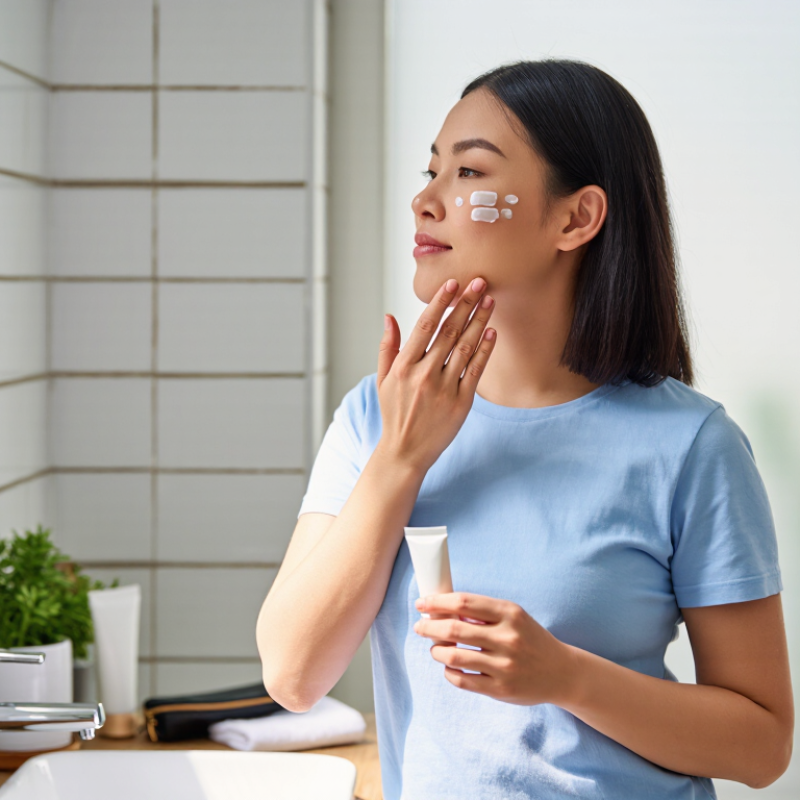
How to Maintain a Youthful Appearance Naturally?
A youthful appearance depends on more than skincare. Genetics, hormones, sleep, nutrition, stress, and daily sunlight exposure all influence visible aging. The American Academy of Dermatology reports that up to 90% of visible skin changes commonly linked to aging may result from ultraviolet exposure. That figure is striking, but it is not the whole story. Skin tone, family history, medication, and hormonal changes can alter each person’s experience.
Sleep matters too. The Centers for Disease Control and Prevention recommends that adults get at least seven hours each night. Poor sleep may leave the face looking dull, puffy, or less refreshed. Chronic stress can also affect routines, appetite, and recovery. I once treated tired-looking skin as a cosmetic problem. That was too simple. Food quality, movement, alcohol intake, and smoking habits may shape appearance over time. However, no single habit can stop natural aging.
Tips: Protect exposed skin with broad-spectrum SPF 30 or higher, especially near windows or outdoors. Eat colorful vegetables, protein, nuts, and fruit regularly. Keep a steady sleep schedule. Notice whether late nights or high stress change your skin. Do not expect perfection. A missed routine is not failure; repeated neglect is the bigger concern. A dermatologist can assess persistent changes and separate normal aging from medical conditions.
How to Maintain a Youthful Appearance Naturally?
A skin-supportive routine begins with steady hydration, not oversized water bottles. The National Academies’ Dietary Reference Intakes report suggests about 2.7 liters daily for women and 3.7 liters for men. These figures include water from food and drinks. Needs change with climate, exercise, age, and health conditions. Pale-yellow urine can offer a practical clue, although it is not a perfect measurement. Hydrate gradually. Do not force fluids.
Food quality matters just as much. The Dietary Guidelines for Americans, 2020–2025, recommends making half the plate fruits and vegetables. Try berries with breakfast, leafy greens at lunch, and orange vegetables at dinner. These foods provide vitamin C, carotenoids, and water. Protein also supports tissue maintenance, so include beans, eggs, fish, or unsweetened dairy foods. A handful of nuts adds useful fats. Small choices accumulate.
Real life is less tidy. I may drink enough on calm days, then forget water during travel. Skin can still look dull despite a “healthy” menu. Sleep, sun exposure, medications, and genetics also influence appearance. The World Health Organization advises limiting free sugars to below 10% of daily energy intake, with further benefits below 5%. A sweet drink is not a moral failure, but frequent replacements for water may weaken the routine. Consistency beats perfection.
Building a Skin-Supportive Diet and Hydration Routine
Recommended adult daily amounts are shown in milligrams. Omega-3 values are converted from grams to milligrams for comparison. A balanced diet also supports hydration; the adequate intake for total water is approximately 2.7 liters per day for women and 3.7 liters per day for men, including water from beverages and food.
Sources: National Institutes of Health Office of Dietary Supplements and National Academies of Sciences, Engineering, and Medicine.
Youthful skin usually reflects consistent care, not overnight changes. I have noticed that regular sleep and gentle cleansing make my skin look calmer. Aim for seven to nine hours of sleep when possible. During sleep, the body supports tissue repair and manages daily stress. Drink water regularly, especially after exercise or time outdoors. However, water alone cannot prevent every skin concern.
Protect exposed skin from sunlight each day. Use broad-spectrum sun protection and seek shade during strong midday light. Wear sunglasses and a hat when practical. Sun exposure contributes to premature lines, uneven tone, and loss of elasticity. A dermatologist can recommend suitable products for sensitive or changing skin. Patch testing is wise, although I sometimes skip it when busy. That mistake can cause unnecessary irritation.
Tips: Wash with lukewarm water, not hot water. Moisturize after bathing, while skin remains slightly damp. Eat colorful vegetables, fruit, beans, eggs, and fish for useful nutrients. Move your body regularly, even through a brisk twenty-minute walk. Avoid smoking and limit alcohol, since both can affect circulation and skin quality. Keep a simple routine you can repeat. More products do not always mean better results. Notice changes slowly, and seek medical advice for persistent rashes, sudden pigmentation, or unusual skin changes.
A youthful appearance often begins with a calm, consistent routine rather than expensive products. I wash my face with lukewarm water and a fragrance-free, gentle cleanser each evening. Hot water feels satisfying, but it can leave my skin tight and uncomfortable. After cleansing, I apply a simple moisturizer while my skin is still slightly damp. Ingredients such as aloe, oat, or plant-based oils may help, but “natural” does not always mean gentle.
Small habits matter more than dramatic treatments. During the day, I use broad-spectrum sunscreen with SPF 30 or higher, including on cloudy mornings. Mineral formulas containing zinc oxide can suit people who prefer simpler ingredients, although texture and comfort still matter. Dermatology professionals commonly recommend sunscreen because repeated ultraviolet exposure contributes to wrinkles and uneven tone. I also avoid scrubbing, picking, and changing several products at once. A patch test for 24 to 48 hours can reveal irritation before it spreads across the face.
Consistency is harder than it sounds. I still skip a night when work runs late. That does not ruin my progress. I return to the routine without rubbing harder or adding extra products. Gentle care also means noticing warning signs, such as burning, swelling, or persistent redness, and stopping a new product when they appear. A qualified dermatologist can help investigate ongoing sensitivity, acne, or sudden skin changes. Fresh pillowcases, adequate sleep, and enough water support the routine, though they cannot replace sun protection or medical advice.
A youthful appearance is often linked to steady habits, not dramatic treatments. To monitor progress, take one clear photo each month in the same daylight. Keep the camera level, and use a neutral expression. Record sleep, water intake, exercise, stress, and skin changes in a simple journal. Small details matter.
After four weeks, compare patterns rather than chasing one flawless morning. Notice whether your skin feels less dry, your posture looks stronger, or your eyes seem less tired. These observations are useful, but they are not medical measurements. A dermatologist or qualified health professional can assess persistent acne, pigmentation, rashes, or sudden changes. Daily sun protection, balanced meals, regular movement, and adequate sleep support healthy aging.
Adjust only one habit at a time, such as adding a gentle moisturizer or moving bedtime earlier. Give the change several weeks unless irritation appears. If redness, swelling, pain, or worsening symptoms develop, stop and seek professional advice. Review your routine every eight to twelve weeks. I might miss entries during busy weeks. That weakness matters. A missed entry should invite reflection, not punishment. Aim for healthier skin and energy, rather than a younger-looking number.