Beauty enhancement products promise brighter skin, smoother texture, fuller-looking lashes, or a polished finish. For buyers, the useful question is not which item sounds most impressive, but which one fits a real need, routine, and budget. A serum may suit someone targeting dryness; a broad-spectrum sunscreen supports daily skin protection; makeup can provide an immediate, temporary change. Different goals call for different products. Small details matter, too: the pump should dispense cleanly, the shade should match in natural light, and the ingredient list should be easy to find.
Board-certified dermatologist Dr. Mona Gohara has often shared a practical reminder: “Sunscreen is the best anti-aging product.” That perspective helps keep shopping grounded, even when shelves are crowded with dramatic claims. This guide will compare skincare, cosmetics, hair and lash products, and at-home beauty tools by purpose, usability, and evidence. It will also consider price, packaging, and whether a product’s claims are specific enough to assess. Check labels, follow directions, and patch-test unfamiliar skincare when appropriate. A polished advertisement is not proof. Neither is a high price. Some products simply will not suit every person, and that part is easy to overlook. Buyers deserve clear trade-offs, not perfect-sounding promises.
What Are the Top Beauty Enhancement Products for Buyers?
What Beauty Enhancement Products Include and How They Are Classified
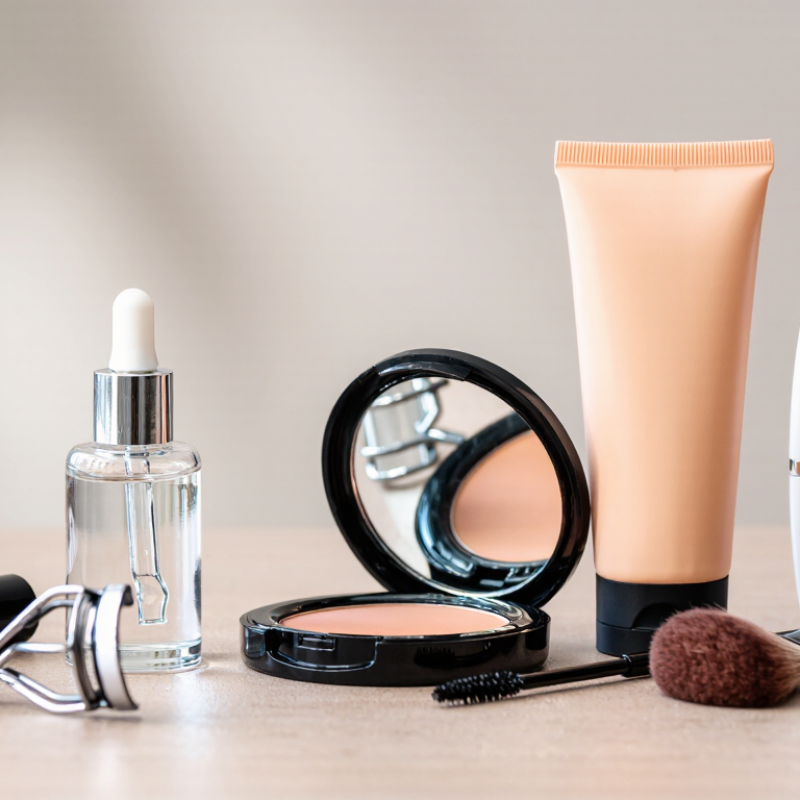
Beauty enhancement products are items used to care for, style, or change the appearance of skin, hair, nails, and body. They are often classified by purpose and application. Skincare includes cleansers, moisturizers, and sunscreens; color cosmetics include foundation, mascara, and lip products. Haircare covers shampoos, conditioners, and styling products, while nail products include polish and grooming tools. Body care may include lotions and exfoliants. Some items overlap. A tinted moisturizer, for example, can offer light coverage while also serving as a daily skincare step.
Buyers can also classify products by format, such as cream, powder, liquid, or tool. This matters in practical ways: a powder may travel neatly, while a cream can feel easier to blend with fingertips. Fit matters. Check the ingredient list, directions, and any suitability notes for your skin or hair needs. For tools, inspect the materials and cleaning instructions. Claims on packaging vary in detail, so look for clear, specific information rather than relying on dramatic promises. This boundary can feel messy; product categories do not always explain how an item will work for an individual. A patch test may help identify irritation, but it cannot guarantee a reaction-free experience.
Beauty enhancement products include skincare, makeup, haircare, sun care, and nail care. The chart compares a measurable sun-care classification: the approximate percentage of UVB radiation blocked by sunscreen at different SPF levels.
Approximate UVB blocked is calculated as (1 − 1/SPF) × 100 under standardized test conditions. Actual protection depends on application amount and reapplication; SPF does not indicate protection time.
Beauty goals vary, so buyers should match product types to specific needs. For dryness, moisturizers with glycerin or ceramides can help reduce that tight, flaky feeling. Lightweight lotions may suit oily skin better than rich creams. For uneven tone or dullness, gentle exfoliating products and daily sunscreen can support a more even-looking complexion. Changes take time, and stronger formulas may irritate sensitive skin. Patch-test first. Keep it simple.
Hair products also serve distinct goals. A moisturizing conditioner can soften dry lengths, while a lightweight styling cream may help control flyaways without flattening fine hair. For makeup, tinted moisturizers offer sheer coverage, and concealers target smaller areas such as under-eye shadows. Brushes and sponges affect how products sit on the skin, but clean them regularly. A tool can collect residue quickly. Buyers should check ingredient lists, instructions, and return policies rather than rely on dramatic claims. Personal experience matters, yet it is not proof that a product will work for everyone. Some purchases still disappoint; keeping notes on texture, irritation, and results can make the next choice more informed.
Beauty enhancement products are easier to compare when the goal is specific: smoother texture, more even-looking tone, or longer-lasting makeup. McKinsey’s 2023 State of Beauty report projected a global beauty market of $580 billion by 2027, growing about 6% annually. That scale signals abundant choice, not proven efficacy. Numbers need context.
Read the ingredient list, then check whether the featured active suits your goal and skin tolerance. A product listing a familiar ingredient does not reveal its concentration, formulation, or likely results. Look for clear directions, realistic claims, and published testing details. For performance, track one outcome at a time, such as dry patches after two weeks or makeup wear through a workday. A small notebook beats relying on a product’s first impression.
Compatibility matters just as much. A lightweight serum may sit well under sunscreen, while a rich cream can cause makeup to pill around the nose. Introduce one new leave-on product at a time; changing several at once makes irritation harder to trace. The American Academy of Dermatology advises testing a product on a small area twice daily for 7–10 days. Patch-test first. Even careful comparisons have limits: lighting, weather, and skin changes can skew results, and product labels rarely tell the whole story.
Buyers comparing serums, exfoliants, or at-home facial tools should treat product claims as a starting point, not proof. Check the full ingredient list, intended use, and clear directions. “Natural” wording alone does not establish safety. For leave-on products, look for intact seals, batch details, and an expiration date or period-after-opening symbol. Store products as directed, since heat and sunlight can affect their texture or performance. Patch-test a small area and stop if irritation persists. Small steps matter.
For devices, inspect the materials that touch skin, cleaning instructions, adjustable settings, and warnings about use near the eyes or on broken skin. A readable manual and responsive seller are useful quality signals, but they cannot guarantee a good result. Check whether claims are supported with relevant evidence, and be wary of dramatic before-and-after photos without context. Keep the receipt and review the return terms. Results vary. I still find polished packaging persuasive at first glance; that is a bias worth questioning. If a product causes pain, swelling, or a worsening reaction, discontinue use and seek qualified advice.
What Are the Top Beauty Enhancement Products for Buyers?
How to Choose Products for Budget, Routine, and Personal Needs
Beauty enhancement products are most useful when they address one everyday need rather than promise a complete transformation. Before shopping, write down what you already use and where your routine feels incomplete. A five-minute routine may not suit a ten-step regimen. That matters.
Set a spending limit and compare products by how often you will use them, not just their shelf price. A moisturizer used daily may offer better value than a costly tool used once a month. Start small. Try one new item at a time, and check the full ingredient list, directions, and return policy before buying. Avoid paying extra for features you do not need; attractive packaging can make a product seem more essential than it is.
Your personal needs should guide the choice. Consider skin sensitivity, texture preferences, climate, and how much time you have each morning. If a product is meant for skin, test a small amount on a limited area and follow its instructions. Stop using it if irritation develops; persistent symptoms deserve advice from a qualified health professional. Even careful shoppers sometimes buy products that do not fit their routines. Keep the receipt, note how the product feels after a few uses, and be willing to reconsider.
| Product Type | Typical Budget (USD) | Routine Fit | Best Suited For | How to Choose | Practical Use Notes |
|---|---|---|---|---|---|
| Gentle facial cleanser | $5–$20 | Morning and/or evening | Most skin types; especially useful for removing everyday oil, sweat, and makeup | Choose a comfortable, non-abrasive formula. If skin feels tight or irritated after washing, consider a gentler option. | Use lukewarm water and avoid scrubbing. A cleanser is optional in the morning if rinsing with water works well for your skin. |
| Moisturizer | $8–$30 | Morning and evening, as needed | Dry, normal, oily, or combination skin, depending on texture | Look for a light lotion if you prefer a less rich feel, or a cream if your skin tends to feel dry. Fragrance-free options may suit sensitive skin. | Apply to slightly damp skin. A simple moisturizer can make a routine more comfortable without adding multiple active products. |
| Broad-spectrum sunscreen (SPF 30 or higher) | $10–$35 | Every morning; reapply during extended outdoor exposure | Nearly all skin types and anyone seeking everyday sun protection | Choose broad-spectrum protection and a texture you will use consistently. Consider water-resistant formulas for swimming or sweating. | Use generously on exposed skin. Follow the label for reapplication; sunscreen does not eliminate all risks from sun exposure. |
| Vitamin C serum | $10–$45 | Optional morning step, before moisturizer and sunscreen | Buyers looking to add an antioxidant-focused product to a basic routine | Compare ingredient lists, packaging, and your tolerance. A lower-cost product may be a sensible first choice. | Introduce one new product at a time. Stop use if it causes persistent irritation, and store according to the product label. |
| Retinol or another topical retinoid | $8–$40 | Optional evening step; start slowly | Adults seeking a gradual addition to an established skincare routine | Start with a lower-strength product and follow its directions. Ask a healthcare professional about suitability if pregnant, trying to conceive, or breastfeeding. | Dryness and irritation can occur. Use sunscreen during the day, avoid introducing several potent actives at once, and seek professional advice for persistent reactions. |
| Hyaluronic acid serum | $8–$30 | Optional morning or evening layer | People who want a lightweight, hydrating step | Choose based on texture and compatibility with your moisturizer rather than assuming a higher price means better results. | Apply according to the label and follow with moisturizer if needed. It is an optional extra, not a replacement for sunscreen or moisturizer. |
| Body lotion | $5–$25 | After bathing or whenever skin feels dry | Anyone wanting to reduce the feeling of dry or rough body skin | Choose a fragrance-free option if scents bother your skin; select a richer cream for areas that tend to become very dry. | Applying after bathing can help make a moisturizing routine convenient. For persistent or severe skin symptoms, consult a healthcare professional. |
| Concealer or tinted complexion product | $5–$30 | As desired; makeup-removal step at the end of the day | Buyers seeking temporary coverage or a more even-looking complexion | Check shade, finish, and wear comfort in natural light when possible. Patch-test if you have a history of cosmetic sensitivity. | Cosmetic coverage is temporary and varies by product and application. Remove gently and avoid sharing eye or lip makeup. |
| Self-tanning lotion or mousse | $8–$30 | Occasional use, following product directions | People seeking a temporary tanned appearance without intentional UV tanning | Choose a shade and format suited to your experience level; read the label, especially for facial use and application precautions. | Self-tanner does not provide sun protection. Use sunscreen outdoors, and avoid inhaling or ingesting spray-tan products. |
Price note: Budget ranges are approximate examples in U.S. dollars and vary by size, retailer, and location. A simple routine can start with cleanser, moisturizer, and sunscreen; optional products can be added one at a time according to personal preferences and skin tolerance.